Story 08 · New York, 1888 · Psychological fiction
The Last
Answer.
Arthur Bell knows how to make the dead answer. He built the trick himself to comfort his widowed sister. Now he wants to confess. But she says the knocking began before his deception.
Cinematic story illustration. Arthur Bell and the print shop belong to the fiction.
On YouTube: He Faked Messages From the Dead… But Something Answered First.
A story by Scott Robertson
A confession.
An earlier answer.
Rochester, October 1888. As news of Margaret Fox Kane’s confession reaches the city, a printer sets a pamphlet explaining away the famous spirit rappings. Inside his own shop, grief and certainty are harder to arrange than type.
Arthur, his sister Esther Wren, and their colleague Nell Reed test what they hear and what they remember. This original psychological mystery draws on the history of Spiritualism. Its characters, private encounters, and discoveries are invented. The ending is reserved for the video.
Behind the story · Case file 08
The Fox sisters.
The knocking that changed America.
The Record
From a household to a movement.
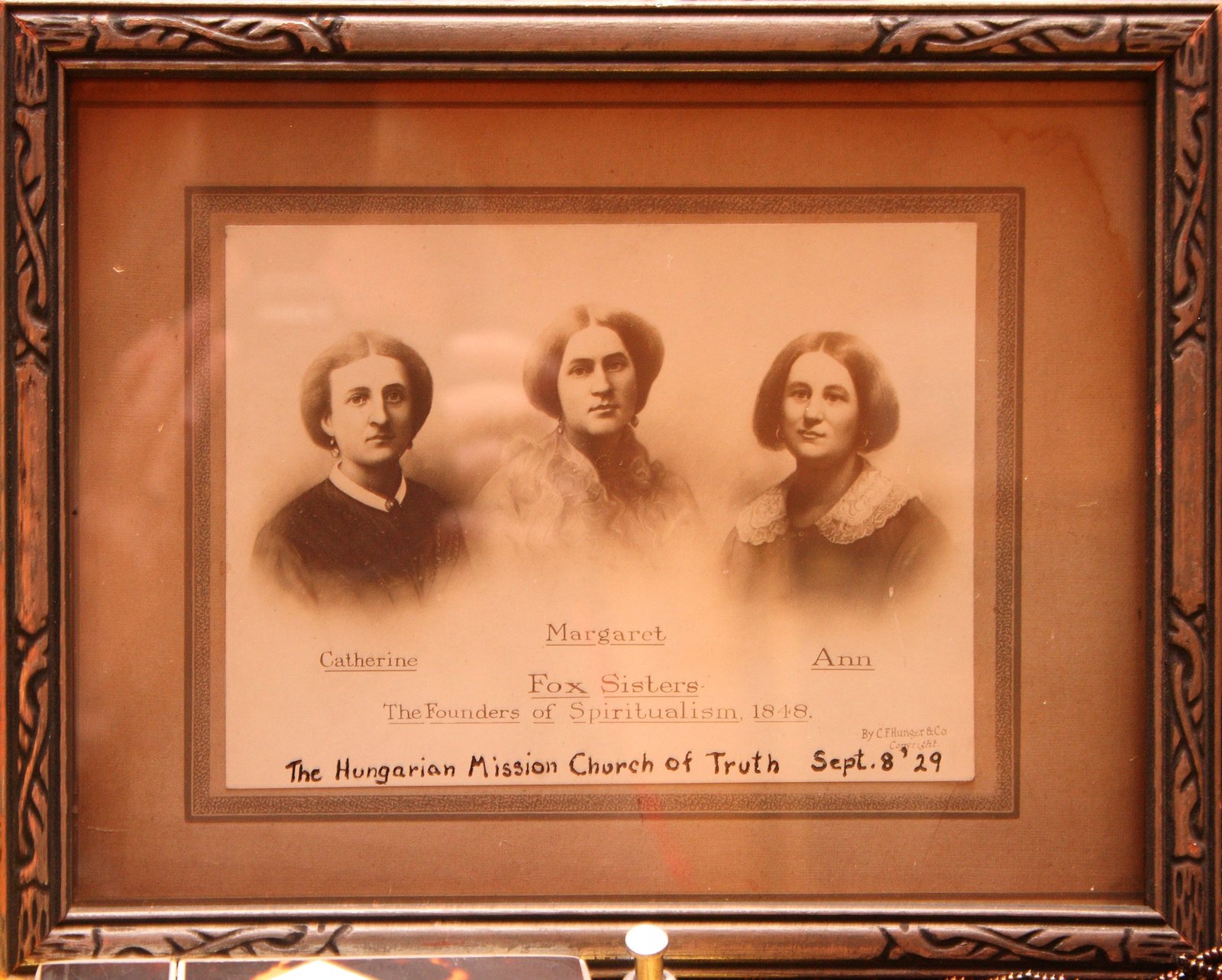
Reports of rappings at the Fox family’s Hydesville home in March 1848 became a foundational episode in modern Spiritualism. Public demonstrations followed in Rochester. These events document the spread of a movement and the claims made for it; they do not establish communication with the dead.
Contemporary testimony includes correspondence associated with reformers Isaac and Amy Post. Their interest places Spiritualism within a wider world of religious inquiry and social reform. Skeptical explanations also appeared early, including physical mechanisms for producing sounds.
In October 1888 Margaret Fox Kane publicly confessed to deception and demonstrated raps. She later retracted the confession. Both the confession and the retraction belong in the record; neither should be silently omitted.
The Threshold
What an answer cannot establish.
Accounts described sounds that appeared to respond to questions. A reported response does not independently identify its source. Witness testimony, physical demonstrations, and later retellings are different kinds of evidence.
The murdered-peddler story emerged through the alleged communications. This case file does not treat it as a verified crime or identify later reported bones as a confirmed victim. The available material does not establish supernatural causation.
The Obscura
The printer’s private dilemma.
Arthur Bell, Esther Wren, Nell Reed, Bell & Wren’s print shop, and their records and encounters belong to Scott Robertson’s fiction. The historical controversy supplies context; it does not authenticate their experience.
The tension between a confessed trick and an apparently earlier answer is the story’s invented premise. No fictional notebook, device, or discovery is presented here as archival evidence.
Sources & further reading
- William G. Pomeroy Foundation: The Fox Sisters historic marker · Hydesville and the 1848 tradition.
- University of Rochester: Isaac and Amy Post correspondence archive · Historical testimony and reform context.
- Library of Congress: Rochester knockings! discovery and explanation · A contemporary skeptical publication, not a neutral verdict.
- Reuben Briggs Davenport, The Death-Blow to Spiritualism (1888) · A polemical contemporary account of the confession; read with its advocacy in mind.
- Rochester History, volume 71, number 2 (2009) · Historical context and retrospective analysis.
Adapted from the supplied Fox sisters research. Historical reports are distinguished from verified mechanisms and fictional events. Photo provenance and reuse statement appear above.